“From the income I earned at AWE, I was able to start chicken rearing at my home and I am able to support my new family...My dream is to own a supermarket one day and I am saving my salary to make this a reality.”
- Glory Japhat, employee at Arusha Women Entrepreneur
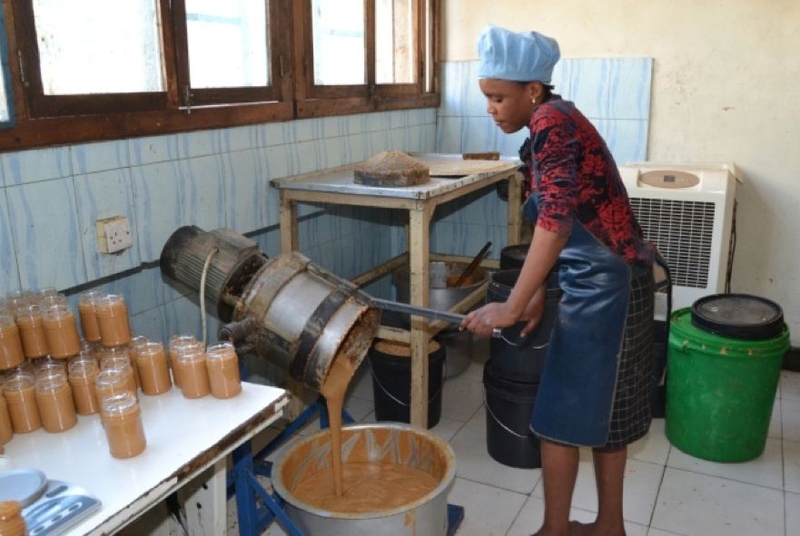
Growing up in a poor family in rural Tanzania, Glory did not have a very fortunate childhood. From a young age, she had to work at a factory to financially support her family. Her passion for education carried her through secondary school, but her family could not afford to pay for her higher education. Glory began working at Arusha Women Entrepreneur since 2013 and her life has changed since.
Project Snapshot
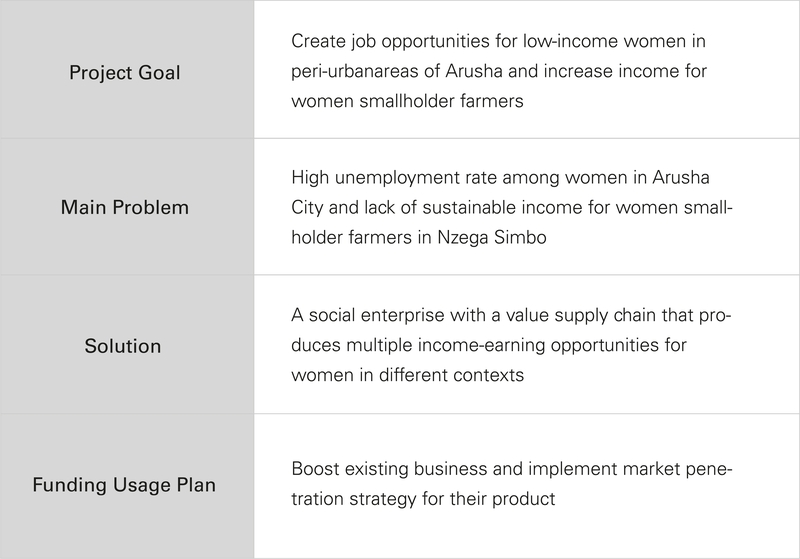
Lack of Economic Opportunities for Women in Tanzania
The story of Glory is considered a fortunate scenario in Tanzania. In many parts of the country and the rest of Sub-Saharan Africa, many young girls are forced into early marriage which decreases the chance to continue their education or engage in economic activities, as they usually become responsible for housework or childcare.
In Tanzania, women comprise the majority of the agricultural labor force in a country where about 80% of the population are involved in farming activities. Yet women are often left out in key agricultural decisions due to widespread social perceptions against women. 75% of women involved in farming activities do not earn sustainable income as they do not have access to reliable markets for their products.
Unemployment rate is high among young women in Arusha, Tanzania and women are often overrepresented in the informal and low-income job market compared to men. Yet, research has shown that women make better use of their income and often spend it in ways that help their families over time, such as investing in children’s education.
By providing fair-wage job and educational opportunities, AWE is addressing the vicious cycle perpetuated by the lack of opportunities and low appreciation of women’s economic activity.
Invest in Women, Invest in Society
Arusha Women Entrepreneur (AWE) is a Tanzanian social enterprise that wants to change this scenario by investing in women’s economic potential. AWE produces high quality natural peanut butter with locally produced peanuts. Founded in 2009, its mission is to provide job opportunities to low-income women in the peri-urban areas of Arusha and sustainable income for women smallholder farmers in Nzega Simbo. AWE recognizes the importance of women’s economic independence in delivering sustainable economic and social development.
David Elias Mjuni, founder of AWE, developed the idea of establishing a peanut butter company with a social mission while participating at the Youth Employment Summit event in 2006 in Nairobi, where he learned about the lack of women’s economic independence in Sub-Saharan countries. His main intention was to generate multiple income-earning opportunities by creating a value supply chain that vertically connects production to marketing and sales of high quality natural peanut butter.
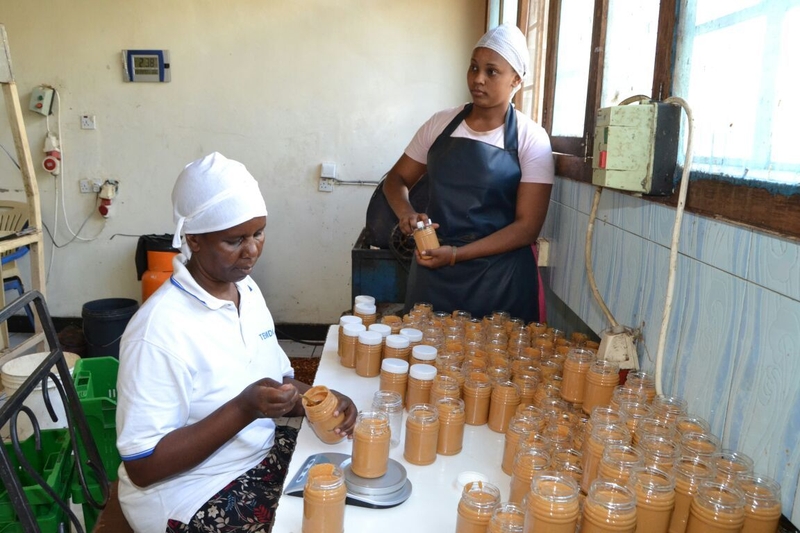
AWE employees packaging natural peanut butter
Today, AWE permanently employs seven women in the factory in Arusha and works with 200 women smallholder farmers in collaboration with the World Vision Nzega Cluster. The income that the women have received has been utilized for their children’s education and household living expenses. Some women have saved part of the income to invest in their farms, build houses, or even start a new business such as chicken rearing like the case of Glory.
AWE also provides training to their factory employees in food safety, processing, management and marketing. They also provide training to smallholder farmers in technical and management skills to promote sustainable land use and increase their agricultural productivity and food security.
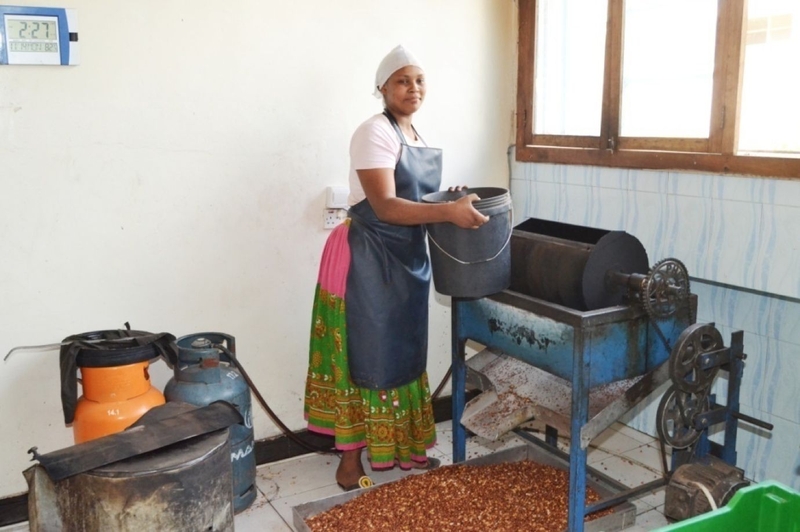
An AWE employee processing high quality natural peanut butter
Balancing Profit and Impact
Natural peanut butter is a great source of healthy protein and vitamins and can provide essential nutrition to a wide range of people as well as great taste. However, most peanut butter produced in Tanzania can contain high levels of aflatoxin. Research has shown that aflatoxin is responsible for a high percentage of all liver cancer cases in Sub-Saharan Africa.
AWE’s aflatoxin-free, natural peanut butter is competitive in the local market where there is a growing demand for ready-made food and organic food products. AWE has recently repositioned their product to better align with the high quality and ethical values of their brand. Its target customers are expatriates, tourists and middle-income class Tanzanians in metropolitan areas who are health-conscious and drawn by the compelling social story behind each jar. With their new product, David expects to break even within a period of 5 years.
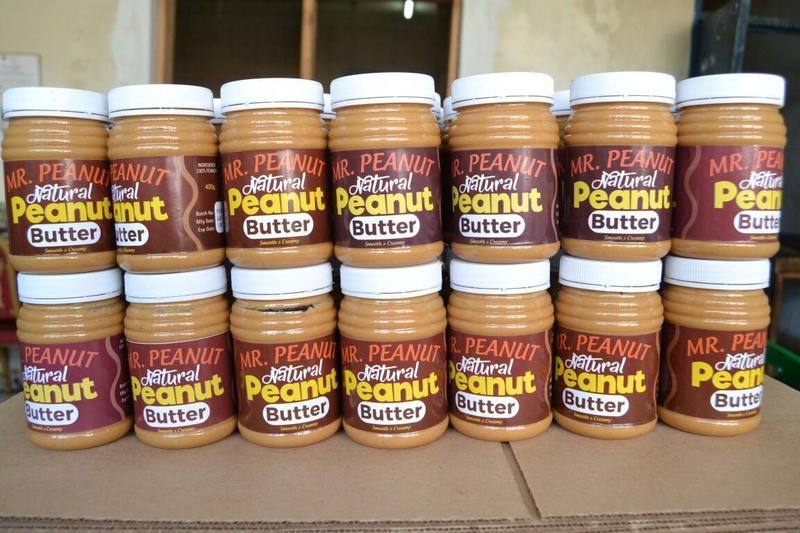
All-natural, locally-sourced, socially-conscious peanut butter. Yum!
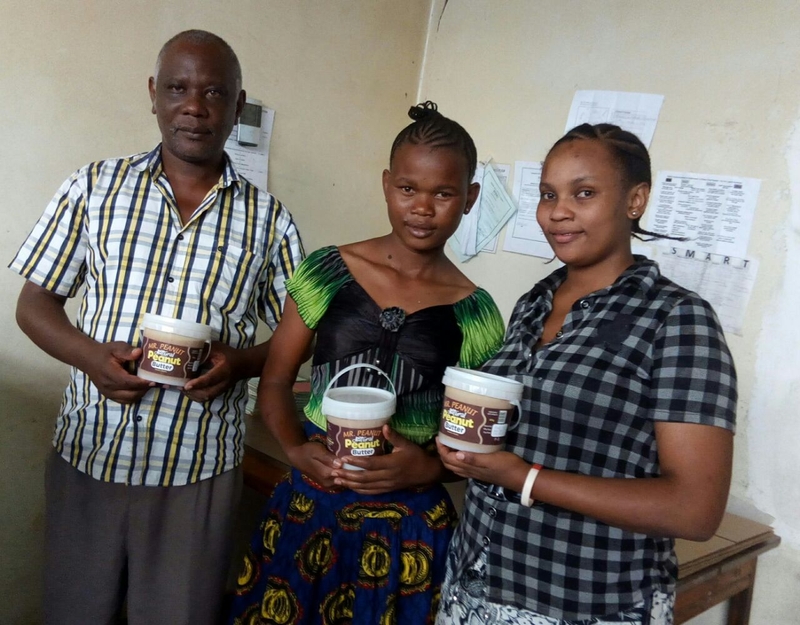
David Elias, Founder of AWE (left) and employees
Changing Social Perceptions
AWE is creating small successes in the city of Arusha and beyond. Despite the low social recognition of women’s economic activity as a company primarily operated by women, AWE is slowly changing that perception through the successful launch of high quality and tasty products.
AWE’s Social Impact
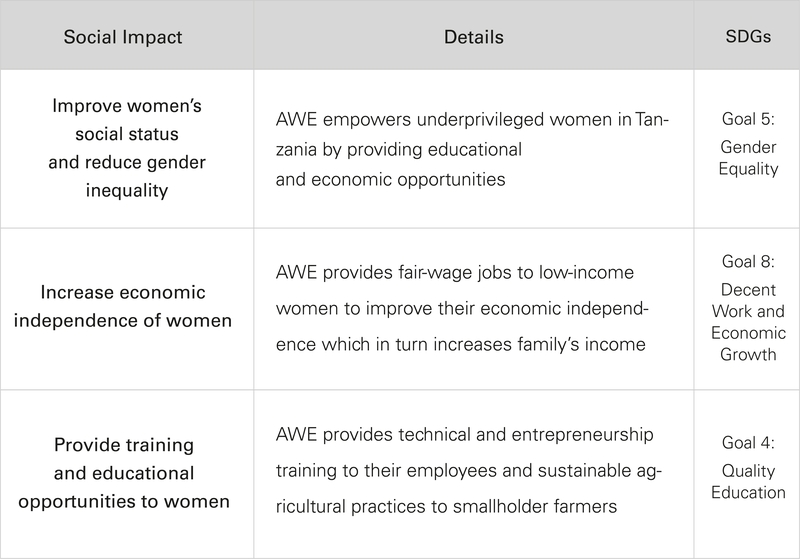 *This project is in alliance with SDGs adopted by the UN. Please refer to the UN website for further details.
How Your Impact Donation Will Be Used
With the funds raised through The Bridge’s crowdfunding platform, AWE will launch their new market penetration strategy. They aim to purchase 2000kg of peanuts from 50 women smallholder farmers and complete sales of 4000 jars of peanut butter by August 2017. Also, they plan to conduct market research on potential new product lines related to peanut butter as well as expand into new markets outside of Arusha (Moshi and Dar es Salaam) by the end of the year.
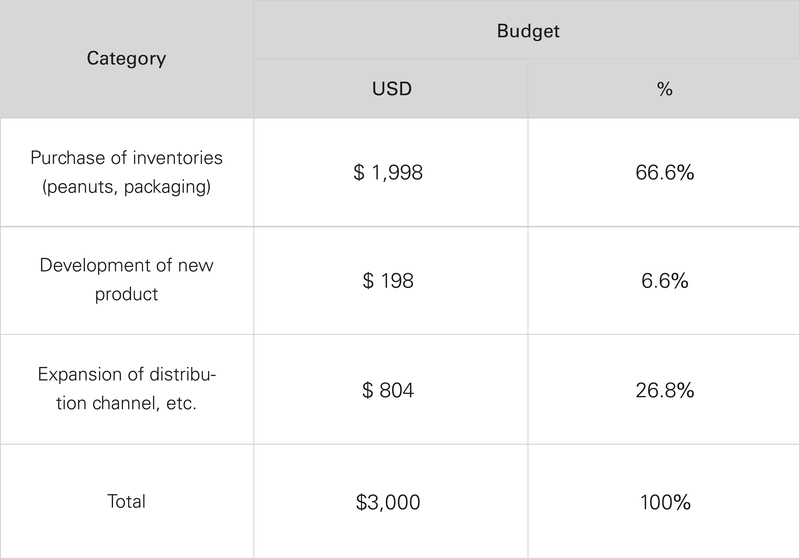
*Tanzania
Tanzania has one of the lowest Purchasing Power Parity (PPP) index in the world. In 2015, United States ranked 17th in the world with a PPP of $56,430, while Tanzania ranked 184th with $2,630. PPP provides a measure of income level differences across countries assuming all exchange rates and living costs are equal. For more information about the economic situation in Tanzania, please refer to the Global Business Knowledge website.



